








Qubitcoin miners: an overview
The miners that support qhash for Qubitcoin, their GPUs and dev fees, why a current release matters, and how to pick and download one safely.
What does Qubitcoin ask of a miner?
Qubitcoin is mined with qhash on GPUs. qhash is a proof of work that simulates a small quantum circuit between two SHA-256 steps.
The chain has changed qhash a few times since launch, the last time on 25 September 2025. So your miner must run a release that carries those changes. Otherwise its shares do not match the network.
Which miners support qhash?
These are the miners we document. The dev fee is the part of your mining each developer keeps.
- SRBMiner-Multi: NVIDIA, AMD and Intel GPUs on Windows and Linux. 1.5% dev fee on qhash, from version 3.1.6. The SRBMiner setup guide covers flags and TLS.
- WildRig NG: NVIDIA, AMD and Intel Arc GPUs on Windows and Linux. 2% dev fee on qhash.
- ForgeMiner: NVIDIA GPUs from the GTX 10 series and AMD RX 5000 series or newer, on Windows and Linux. 1% dev fee on qhash, with built-in overclock and fan control.
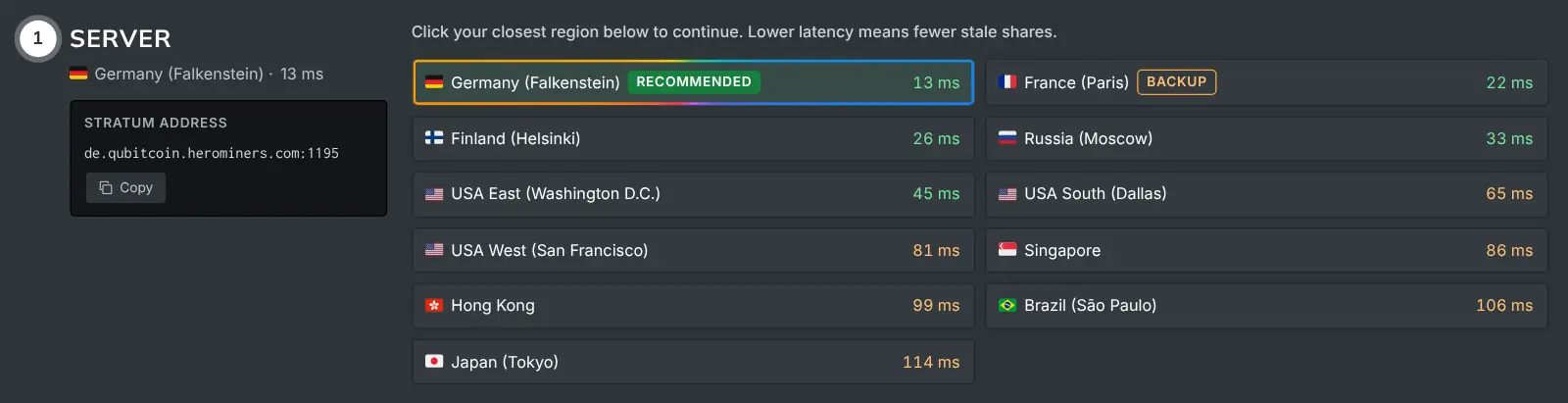
- Others may add or update the algorithm over time. Whichever you run, the pool connection details are identical. Only the flag names differ.
How do you pick between them?
On identical hardware, run each miner for a full day. Then compare the DASHBOARD average, not the miner's own console readout.
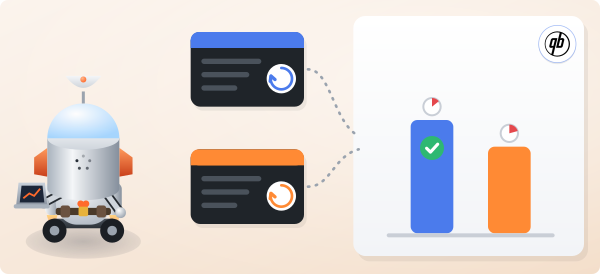
Consoles measure attempts, but the pool pays accepted work. The why-hashrate-differs article explains the gap.
Also weigh each miner's dev fee, printed in its documentation. It comes straight off your earnings.
How do you download a miner safely?
- Get miners only from each project's official releases.
- Check the published checksum, a fingerprint that shows the file was not changed.
- Expect your antivirus to flag the download. The antivirus article explains why, and how to exclude it safely.
Then start from the command the How to Mine page generates. It already carries the right algorithm, your region and your address.