








Is pool mining safe?
Whether pool mining is safe: why the pool cannot lose your coins, what data it holds, how every share is verified, and what you must protect.
Is pool mining safe?
Yes. This pool is built so that it never holds your coins or your identity. In short:
- You need no account, and you make no deposit.
- Payouts go straight to your own wallet.
- There is almost no personal data to leak.
- Every share is verified, so you are paid for real work.
- The one thing you must protect is your wallet keys.
Why can the pool not lose your coins?
There is no account and no deposit. Your wallet address is your only identifier.
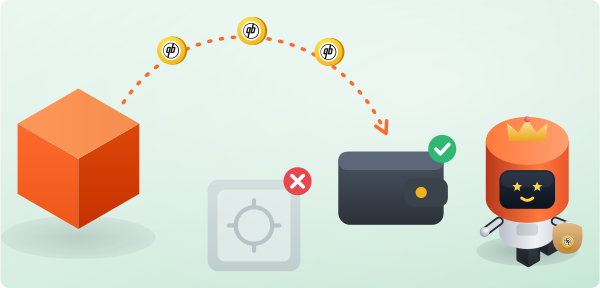
Payouts are non-custodial. They are sent straight to your address, and the pool never holds a balance you must withdraw.
So there is no account to be hacked. There are also no funds for the pool to lose or freeze.
What personal data does the pool hold?
Almost none. There is no sign-up, no email and no KYC (identity check), so there is almost nothing to leak.
The pool only needs your public payout address and the technical data your miner reports. Public pages mask wallet and IP addresses, so a casual visitor cannot read them in full.
How do you know you are paid fairly?
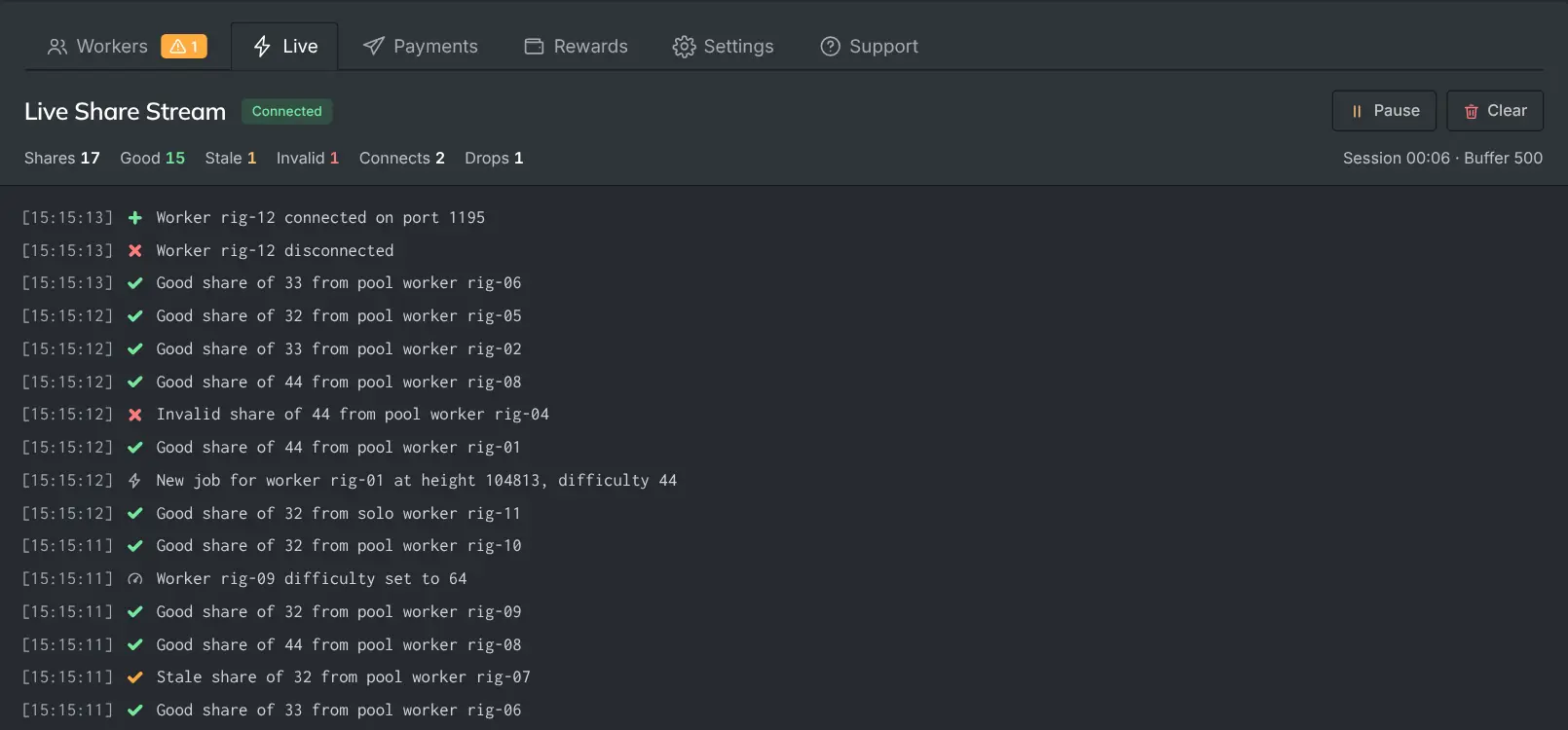
In theory, a pool could undercount your work. This pool re-verifies every single share natively before it counts, with no trust and no shortcuts. So you are only credited for real work.
Blocks, payments and per-miner stats are all public. A transaction hash is the unique ID of a transfer on the chain.
You can check every payout independently on the Qubitcoin block explorer by its transaction hash.
What do you still need to protect?
Safe pool mining comes down to one thing: keeping your wallet keys safe. The pool only needs your public address.
- Never share your seed phrase or private keys with anyone.
- Only download miners and wallets from their official sources.
Do that, and the pool cannot touch your coins.